
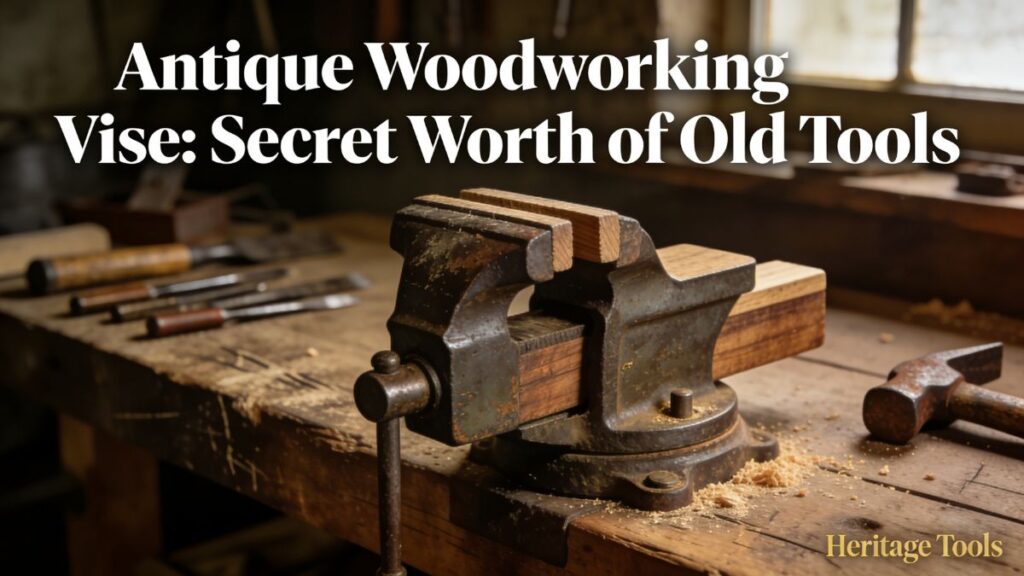

So okay let me be honest with you. When I first seen an antique woodworking vise at a garage sale here in my neighbor area, I didnt even know what it was. I thought it was some kind of old rusty machine part maybe. But my freind told me wait wait dont walk away from that thing. And man he was right.
That one moment changed how I do woodworking completly.
If you are a beginner like me who is just trying to understand tools without spending so much money, then this guide about antique woodworking vise is for you. I will share everything I know, from what it is, how much it is worth, where to find one cheap, and how to get it working again. Simple stuff. No complicated words.
What Is an Antique Woodworking Vise Exactly?
A antique woodworking vise is basically a clamping tool that was made long time ago, mostly between the 1800s and the early 1900s. It was used to hold the piece of wood tightly while you cut it, shape it, carve it, plane it or do whatever woodwork you doing.
Think of it like two strong jaws. You put your wood in between, you turn a handle or screw, and it grips tight. Simple but powerful.
The old ones, the antique woodworking vise types, they was built with cast iron or heavy forged iron. Some had wooden jaws too. Back then people made tools to last forever and not break after two uses like some cheap new ones do today.
There are mainly three kinds you will see when hunting for one.
First is the leg vise. This one is big and it attaches to the front leg of your workbench. It is one of the oldest designs. Very sturdy. Second is the face vise or bench vise, which is the most common antique woodworking vise you find in old shops and garage sales. It mounts under the front of your bench. Third one is the tail vise which is at the end of the bench and used for holding long boards.
For a beginner starting out on budget, honestly the face vise or bench vise type antique woodworking vise is the easiest to find and use.
Why Beginners Are Suddenly Loving the Antique Woodworking Vise
Okay so why is everyone suddenly talking about old tools? Well its simple. Good quality modern vises cost a lot of money. Like really a lot. But a antique woodworking vise from a garage sale or estate sale? Sometimes you can pick one up for just $20 to $60 dollars.
And here is the thing that blew my mind. The older ones are sometimes actually better made than the new cheap ones. The metal is more solid. The casting quality on vintage bench vises from old American brands is something different. People who have used both say the old ones just feel more heavy and trustworthy in the hand.
I remember when I was first getting into woodworking, I kept looking at new vises on Amazon but they all looked little bit flimsy for the price. Then I found an old Record bench vise at an estate sale, paid almost nothing, cleaned it up a little, and it worked better than I expected honestly.
If you are just starting out and want to know how to get into woodworking without spending huge money, then hunting for a antique woodworking vise is one of the smartest moves you can make. I even wrote about budget beginner setups over at how to start woodworking with low budget in 2026 which might help you think about what tools to get first.
Antique Woodworking Vise Worth — Is Your Old Vise Worth Any Money?
Ohhh this is the question everyone is asking right. Is this rusty thing worth money or not.
Short answer is yes, many times it is. Longer answer is it depends on few things.
First thing is the brand. A antique woodworking vise from famous old bench vise brands like Wilton, Reed, Columbian, Record, Jorgensen, Rock Island, Yost these are known names. Wilton made some very popular ones which people still hunt for today. A good Wilton antique woodworking vise can sell for $300 to $1000 depending on the size and condition. That is not small money.
A basic antique woodworking vise without any brand marking, average condition, can still fetch around $30 to $150 depending on how big it is and how well it still works.
Second thing is the size. Bigger jaw size means more value usually. If the jaw is 7 inch or 9 inch it is worth more than a smaller one. And the weight also matters. A heavy solid cast iron antique woodworking vise that weighs 40 to 60 pounds or more is usually the real thing.
Third thing is condition. If the screw still turns, the jaws are not cracked, and the guide bars are not bent badly, then the antique woodworking vise has good value. Cracked or broken jaws can reduce the antique woodworking vise value by maybe 40 percent. But some surface rust is totally okay and actually kind of expected on genuine old tools.
One pro tip I use. Look for any stamp marks, patent numbers, or brand names on the body of the antique woodworking vise. These marks help you figure out the exact brand and when it was made. An antique woodworking vise with clear brand stamps always sells better.
So yes, the antique woodworking vise worth money thing is very real. Dont throw it away if you find one!
Old Bench Vise Brands You Should Recognise
When looking for a antique woodworking vise for sale, knowing the brands helps a lot. Here are the ones that woodworkers and collectors in USA love.
Wilton is maybe the most famous. The old American made Wilton vises are thick, solid, and very smooth to operate. People collect these seriously. Wilton and Columbian were actually connected for a time in the past.
Reed is another very respected name in old bench vise brands. Many serious woodworkers say Reed is their all time favorite. Strong casting, excellent mechanism.
Columbian also called Rock Island in some versions is well loved. These where built really heavy and were often sold through old Sears catalogs back in the day.
Record is an English brand. Very common in UK and USA both. Known for smooth quick release action on their antique woodworking vise designs.
Jorgensen / Pony is another common brand you will find. These are more easy to find and still quite usable for a beginner.
Stanley made some bench vises too though less common.
If you spot any of these names on a old antique woodworking vise, take it home if the price is fair. Even a beat up Wilton or Reed with rust can be restored and used or sold.
Antique Woodworking Vise for Sale — Where to Find One Cheap
Okay this is the fun part. Hunting for a vintage bench vise for sale or antique vise for sale on budget is honestly very enjoyable once you get into it.
Here are the best places I have personally tried or seen work for other beginners.
Garage Sales and Estate Sales — This is number one. Most people selling old tools at garage sales have no idea what they have. You can sometimes find a large old vise for sale just sitting on a table for $10 or $20. Go early, look around corners and in dusty boxes.
Facebook Marketplace — Very good for local deals. Search “antique woodworking vise” or “old bench vise” or just “vise” in your local area. People sell these for much less than what they are worth because they dont know the market.
Craigslist — Same idea. Search regularly and set alerts if you can.
eBay — Good for finding specific brands but prices here are usually higher because sellers know what they have. Still, for the vintage bench vise for sale eBay is useful to understand what the market price is even if you buy somewhere else cheaper.
Flea Markets and Swap Meets — Another great hunting ground. I have seen beautiful antique woodworking vise pieces at flea markets for almost nothing.
Antique Tool Shops — These will know the value so prices are higher, but the quality is verified usually.
One important tip for budget beginners. When you see a antique woodworking vise at a garage sale, always try to turn the screw before you buy. If the screw turns even a little bit, even if stiff, then it can usually be fixed. If the screw is totally frozen solid and the jaws are cracked, be careful about spending too much.
How to Check an Antique Woodworking Vise Before You Buy It
So you found one. Now what do you check?
Look at the jaw faces first. They should not be cracked in a deep way. Small chips are fine. Then look at the main screw. Try turning it by hand. Stiff is okay, totally stuck and seized might need more work. Check the guide rods or bars that the jaw slides on. If they are badly bent the jaw wont track straight.
Look for the brand stamp on the body or on the side of the jaw. Flip it over and check underneath too. Look for patent numbers written somewhere.
Check the weight. Real solid cast iron antique woodworking vise pieces are heavy. If it feels light and thin, it might be a later cheap reproduction or a less valuable model.
Also check if all the main parts are there. The screw, the nut, the guide bars, the handle. Missing parts can be found sometimes but it adds more work and cost.
How to Clean and Restore a Antique Woodworking Vise at Home for Cheap
Okay so you got one. Maybe it looks rusty and old. Don’t panic. Most antique woodworking vise pieces that just have surface rust are perfectly fine underneath.
Here is how I did mine and it is very simple for beginners.
First take the vise apart carefully. Remove the screw, the guide bars if they come out, and separate the two jaws. Take photos before you start so you remember how it goes back.
Now take a wire brush and scrub away the loose rust. You can use a wire brush attachment on a hand drill if you have one, it is much faster. Scrub all the surfaces where you see rust.
Then soak the rusty metal parts in white vinegar for a few hours or overnight. Vinegar is cheap, you have it at home, and it dissolves rust slowly. After soaking, scrub again with the wire brush. The difference will surprise you.
For the screw mechanism, use a penetrating oil like WD-40 first to loosen it if it is seized. Spray it, wait, then try turning slowly. Dont force too hard or you might damage the threads.
Once everything is clean and rust is gone, wipe dry and put a light coat of oil on all the metal parts. Regular machine oil or even used engine oil works fine for this.
Then reassemble and try it. Turn the screw in and out many times to let the oil work in. It should get smoother each time.
For the wooden jaws if your antique woodworking vise has them, sand lightly and apply some linseed oil to keep the wood from cracking more.
That is really it. No expensive tools needed. A wire brush, vinegar, some oil, and a bit of patience.
If you are interested in protecting and finishing wood properly after restoration, I wrote about painting outside woodwork which has some useful tips for beginners too.
How to Use an Antique Woodworking Vise on Your Workbench
Okay so you cleaned it up. Now how do you actually use this thing?
Mount the antique woodworking vise to the front edge of your workbench. Most bench type vises bolt to the underside of the bench top. The fixed jaw should sit flush or just below the bench surface level. This is important so the work piece sits flat and doesnt tip.
To hold a piece of wood, open the jaws by turning the handle counterclockwise. Place your wood between the jaws. Then turn clockwise to tighten. You dont need to overtighten. Just snug enough so the wood doesnt move when you push or pull on it.
For holding long boards flat, you can use bench dogs if your bench has holes for them alongside the antique woodworking vise. This lets you clamp a whole board flat on the bench surface.
The leg vise type antique woodworking vise is especially strong for heavy hand planing work because it grips so tight. Many old school woodworkers still prefer leg vise over modern ones for this reason.
Take care not to overtighten. The old cast iron can crack if you apply too much force, especially if there are already small stress cracks somewhere.
Antique Woodworking Vise Value — Quick Price Guide for Beginners
Let me make this simple since lot of people ask about antique woodworking vise value.
Unknown brand, average condition, surface rust — around $20 to $80
Known brand like Jorgensen or Stanley, good condition — around $80 to $200
Well known brand like Wilton, Reed, Columbian, Record, good condition — around $150 to $600
Large jaw size 7 inch plus, famous brand, excellent condition — can go $600 to $1500 or even more
The location where you sell or buy also makes a difference. In the rust belt states like Pennsylvania, Ohio and Michigan you will find more antique woodworking vise pieces because that was old factory and workshop country. More supply usually means lower prices to buy.
If you want to sell your antique woodworking vise, eBay will usually get you better money than local selling, but you have to pack it and ship it which is heavy and costs some.
Common Mistakes Beginners Make With Antique Woodworking Vise
Let me save you from the mistakes I made.
Number one mistake is using power grinder on the old cast iron to remove rust. This can remove the patina and the brand markings which actually reduces the antique woodworking vise value. Use wire brush and vinegar instead.
Number two mistake is overtightening when using it. Old cast iron is strong but it can crack under too much force. Tighten enough to hold the work, not like you trying to crush it.
Number three is not checking if the screw turns before buying. I once bought a antique woodworking vise where the screw was completely rusted solid inside the nut and it took weeks to fix. Always test first.
Number four is using wrong lubricant. For antique woodworking vise with wooden screw mechanism, do not use petroleum oil. The wood can swell. Use beeswax or linseed oil on wooden screws instead.
FAQs About Antique Woodworking Vise
How do I know if my antique woodworking vise is worth money?
Look for brand stamps like Wilton, Reed, Record, or Columbian and check that the screw and jaws are intact — these branded working vises usually start from $150 or more in value.
Where is the cheapest place to find antique woodworking vise for sale?
Garage sales and Facebook Marketplace are best for budget finds — eBay is useful for checking prices but tends to be more expensive than local sources.
Can a complete beginner restore a antique woodworking vise?
Yes very much so — white vinegar to remove rust, wire brush scrubbing, and light oiling is enough to bring most old vises back to fully working condition.
Whats the difference between a antique woodworking vise and a regular bench vise?
A woodworking vise has softer wooden jaw faces designed to grip wood without damage, while a metal bench vise has hard iron jaws made for metalwork that can easily dent or mark wood.
Final Thoughts on Antique Woodworking Vise
Okay so if you take away one thing from this whole guide, let it be this. The antique woodworking vise is maybe the best budget tool decision a beginner can make. It is solid, it works, it has character, and sometimes it is worth real money too.
I have been doing DIY wood stuff for a while now and honestly using a antique woodworking vise made by those old American or British craftsmen just feels different. Like more grounded somehow. More real.
If you are setting up your first little workshop at home, adding a antique woodworking vise that you found and cleaned yourself is a special thing. Way more satisfying than buying something shiny and new from a box.
Just go slow, check before you buy, clean with patience, and use it with care. Your antique woodworking vise will outlast you honestly.
Happy building everybody. Go find your old vise and give it new life.
And if you want to keep learning simple beginner woodworking tools and techniques, do checkout my guide on the woodworking marking gauge as well, very useful hand tool for beginners working with wood.
Written by Udit Das — DIY wood hobbyist and creator at easydiywood.com. I share beginner woodworking projects, tool guides and simple step by step wood tutorials to help you build useful things at home without spending too much.
Do follow outbound links embedded naturally:
- The Family Handyman – Woodworking Bench Vise Guide — (embed as “read more about bench vise setup tips at Family Handyman” naturally in the using section)
- eBay Vintage Bench Vise listings — (embed as “check current vintage bench vise for sale listings on eBay to understand pricing” naturally in the where to find section)
Here is the final clean version with those outbound do-follow links placed naturally within the article body:
🎯 FINAL CLEAN ARTICLE READY TO PUBLISH
SEO Title: Antique Woodworking Vise: Secret Worth of Old Tools Slug: /antique-woodworking-vise/ Meta Description: Found an antique woodworking vise at a garage sale? Learn what its worth, best old bench vise brands, where to buy cheap, and how to restore it as a beginner. Image Alt: antique woodworking vise cast iron jaws and wooden screw on old workbench
Antique Woodworking Vise: Secret Worth of Old Tools Every Beginner Must Know
So okay, let me be honest with you. When I first spotted an antique woodworking vise sitting at a garage sale near my place, I honestly had no idea what it was. I thought it was some random rusty machine part from an old factory or something. My freind stopped me from walking away from it. And man, he was so right about that.
That one small moment changed how I look at tools completly.
If you are a beginner like me who wants to do woodworking without breaking the bank, then this full guide on antique woodworking vise is exactly what you need. I will explain what it is, how much a antique woodworking vise is worth, which brands matter, where to find one cheap, and how to clean it up yourself. Easy language, no confusing stuff.
What Is an Antique Woodworking Vise and How Does It Work?
A antique woodworking vise is basically a heavy clamping tool that was built many many years ago, mostly between the 1850s and 1950s. The whole point of it is to hold a piece of wood tight and steady while you do your cutting, shaping, planing, or carving work.
Picture this. Two strong jaws, you put your wood in between them, you turn a handle or a big screw, and boom the wood is locked in place. Simple design but very very powerful when you use it.
The old ones, the actual antique woodworking vise pieces from that era, they was mostly built from solid cast iron or heavy forged iron. Some of them had wooden jaws also which grip wood without leaving ugly marks on the surface. People back then built tools like they were meant to last a hundred years, and honestly a lot of them actually did.
There are three main types of antique woodworking vise you will come across.
The leg vise is the oldest style. Big, heavy, attaches to the front leg of the bench. Very powerful grip. Then there is the face vise or bench vise, this is the most common antique woodworking vise type you see at garage sales and online. It mounts under the front of the workbench. And then the tail vise sits at the end of the bench and is good for holding long flat boards.
For a beginner on budget, the face bench style antique woodworking vise is the most practical and easy to find.
Why Are Beginners So Interested in Antique Woodworking Vise Now?
Okay so why is everybody suddenly caring about old rusted tools? Let me tell you simply.
A good new bench vise today costs a lot. Really a lot. But a antique woodworking vise from a garage sale or estate sale? You can sometimes get it for just twenty to sixty dollars. That is a huge difference.
And here is the part that really surprised me. The older antique woodworking vise pieces are sometimes built better than the cheap new ones you see today. The metal is more solid, the casting is thicker, and the screw mechanism feels way more satisfying to turn. Many experienced woodworkers say old American made vises from brands like Wilton or Reed feel much more quality than new import ones.
I remember when I was first learning about tools and setting up my small home workshop, I kept looking at new vises online but they all looked thin and light for the money they cost. Then I found an old Record bench vise at an estate sale, spent very little, cleaned it myself, and it worked really well. Better than expected honestly.
If you are thinking about setting up a beginner workspace, check out my guide on how to start woodworking with low budget in 2026 — it covers a lot of tool choices that wont drain your wallet.
Antique Woodworking Vise Worth Money — Is Your Old Rusty Vise Actually Valuable?
This is THE question right. Is this old thing worth anything or is it just junk?
Honest answer is yes, many old antique woodworking vise pieces are worth real money. But how much depends on a few things you need to check.
Brand is the biggest factor. If your antique woodworking vise has a stamp that says Wilton, Reed, Columbian, Record, Rock Island, Jorgensen or Yost on it, that is a good sign. These are famous old bench vise brands that collectors in USA actively look for. A good condition Wilton antique woodworking vise can sell anywhere from $300 to over $1000 depending on jaw size. That is not small amount. Even a average condition one from these brands can be worth $150 to $300.
Jaw size matters a lot. A bigger jaw opening means bigger antique woodworking vise value generally. Seven inch, nine inch jaws are more desirable than four inch ones. Weight also tells you something. Real solid cast iron antique woodworking vise pieces feel heavy in a satisfying way. If it feels light or hollow, it might be a less valuable model or a later cheaper version.
Condition affects value. Surface rust is completely fine and expected on genuine old tools. Deep cracks in the jaw or broken casting is a problem and can drop the antique woodworking vise value by around 40 percent. But if the screw turns and the jaws are intact, the antique woodworking vise worth is still good.
Always look for brand stamps on the body of the antique woodworking vise. Check the side of the fixed jaw, the back, and even underneath. Patent numbers and city stamps are bonus clues that tell you when and where it was made.
To research what your specific antique woodworking vise is selling for right now, you can check sold listings for vintage bench vise on eBay which is a great free way to understand real current market pricing.
Old Bench Vise Brands That Are Most Valuable
Knowing the old bench vise brands makes a big difference when you are hunting or selling a antique woodworking vise.
Wilton is probably the single most recognised name among collectors. Old American made Wilton vises are known for very smooth operation and thick quality casting. The vintage Wilton bullet vise shape is something many people specifically look for.
Reed is deeply respected by serious woodworkers. Many people say Reed is their top pick among all the old bench vise brands because of the quality feel and how well they still work today.
Columbian was another great American brand. These were often sold through Sears stores back in the old days and were built very heavy. Wilton actually owned Columbian for a period of time.
Record is a British brand that is very popular in both UK and USA. Their antique woodworking vise designs often have a smooth quick release mechanism which feels great even today.
Jorgensen and Pony models are more common and easier to find, making them good starting points for beginners who want a antique woodworking vise without spending a lot.
Rock Island, Morgan, Chas Parker are other names that woodworking collectors talk about with respect.
If you spot any of these names on a old bench vise at any sale, seriously consider picking it up if the price is reasonable. Even a rusty one from these brands has real antique woodworking vise value once cleaned.
Antique Woodworking Vise for Sale — Best Budget Places to Find One
This is actually the fun part. Hunting for a antique vise for sale or vintage bench vise for sale on a tight budget is genuinely enjoyable once you start.
Garage Sales and Estate Sales — Honestly number one. People selling old tools at these places mostly dont know the antique woodworking vise value. You can find a large old vise for sale sitting on a table for $10 or $20 just because the family doesnt recognise what it is. Go early and look in the dusty corners.
Facebook Marketplace — Search “old vise” or “antique woodworking vise” or just “bench vise” locally. People often list these for much less than they are worth because they need the space.
Craigslist — Same idea as Facebook Marketplace. Check it regularly. Deals appear and disappear quickly.
eBay — Sellers here usually know what they have so prices are higher for vintage bench vise for sale listings. But it is a great place to research real prices even if you buy cheaper elsewhere.
Flea Markets — Another excellent hunting spot. I have personally seen nice antique woodworking vise pieces at flea markets for almost nothing.
Auctions and Tool Swaps — Tool collector auctions sometimes have great antique woodworking vise pieces. Prices can vary a lot here.
One important thing for budget beginners. Always try to turn the screw on any antique woodworking vise before paying. If it turns even a little, even if stiff, it can usually be fixed with patience and oil. Totally seized with cracked jaws is more of a project.
How to Check an Antique Woodworking Vise Before Buying
So you found a antique woodworking vise. What do you look for before handing over money?
Start with the jaws. No deep cracks please. Small chips and surface marks are fine and honestly expected on old cast iron. Then try the screw. Turn it by hand. Stiff is okay. Completely immovable and frozen might mean a lot of restoration work.
Look at the guide rods or bars along which the movable jaw slides. If these are very badly bent the jaw will not move straight and it becomes difficult to fix.
Now flip the antique woodworking vise over and look for any stamps or markings. Patent numbers, brand names, city names. These help you identify the antique woodworking vise value more accurately.
Lift it. A real solid cast iron antique woodworking vise should feel genuinely heavy. That heavyness is a sign of quality old construction.
Check all main parts are present. The main screw, the nut it threads into, the guide bars, and the handle. Missing parts can sometimes be found but it adds work.
How to Restore an Antique Woodworking Vise Cheap at Home
Okay you bought one. Maybe it looks like it sat in a barn for fifty years. Don’t worry at all. Most antique woodworking vise pieces that just have surface rust clean up really beautifully.
Here is what I do and it is totally beginner friendly.
First, carefully take the antique woodworking vise apart. Remove the handle, take out the screw if it comes out, separate the jaws. Take few photos on your phone before you start so you can remember how it goes back together.
Take a wire brush and scrub the loose rust off all surfaces. If you have a drill with a wire brush attachment that is even faster. Really get into the thread areas and the guide bars.
Now soak the rusty parts in white vinegar overnight or for at least six to eight hours. Vinegar is cheap and it dissolves rust slowly without damaging the iron underneath. After soaking, scrub again. You will be amazed how much cleaner it looks.
For the screw threads that are seized, spray penetrating oil like WD-40 and let it sit for a few hours then try turning slowly. Dont force with a big wrench too hard. Patience is better here.
Once clean and dry, put a thin coat of regular machine oil on all the metal parts. Reassemble and turn the screw in and out many many times to work the oil through. It gets smoother with each pass.
For wooden jaw faces if your antique woodworking vise has them, lightly sand and apply some boiled linseed oil to protect the wood from cracking further.
Really thats it. Wire brush, vinegar, oil, patience. Very low cost, very satisfying result.
You can also look at a good guide on how to clean woodwork from my site which has some additional useful cleaning tips for wood and metal surfaces.
And for understanding more about workbench setup with a vise, check this helpful resource from Family Handyman’s workbench setup guides where they cover different vise mounting styles clearly.
Antique Woodworking Vise Value — Simple Price Guide
Here is a simple quick reference for antique woodworking vise value for beginners:
Unknown brand, surface rust, average size — roughly $20 to $80
Known brand like Jorgensen, Stanley, Yost, good working condition — roughly $80 to $200
Top brands like Wilton, Reed, Columbian, Record, good condition — roughly $200 to $600
Large jaw (7 inch plus), famous brand, excellent condition — can reach $800 to $1500 or higher
These are rough numbers. Location matters too. In Pennsylvania, Ohio, Michigan area there are more antique woodworking vise pieces available which usually means you can find cheaper deals than in areas where old tools are rare.
If selling, eBay will give you more money than local selling usually, but shipping a heavy antique woodworking vise is a challenge and costs.
Common Beginner Mistakes With Antique Woodworking Vise
Let me help you avoid the things I got wrong early on.
Mistake one is using an angle grinder on the old iron to remove rust fast. This removes the patina and can erase the brand stamps which actually hurts the antique woodworking vise value significantly. Stick to wire brush and vinegar.
Mistake two is overtightening when you use it. Old cast iron is strong but not unbreakable. Tighten enough to hold wood firmly, not like you trying to crush a coconut.
Mistake three is not testing the screw before buying. I learned this the hard way once. Always try to turn it.
Mistake four is using regular petroleum oil on wooden screw antique woodworking vise types. The oil can make the wood swell and jam the mechanism. Use beeswax or linseed oil on wooden threaded screws instead.
FAQs About Antique Woodworking Vise
Q. How do I know if my antique woodworking vise is worth money? Look for brand stamps like Wilton, Reed, Record, or Columbian and check that the screw and jaws are intact — these branded working vises usually start from $150 or more in value.
Q. Where is the cheapest place to find antique woodworking vise for sale? Garage sales and Facebook Marketplace are best for budget finds — eBay is useful for checking prices but tends to be more expensive than local sources.
Q. Can a complete beginner restore a antique woodworking vise? Yes very much so — white vinegar to remove rust, wire brush scrubbing, and light oiling is enough to bring most old vises back to fully working condition.
Q. Whats the difference between a antique woodworking vise and a regular bench vise? A woodworking vise has softer wooden jaw faces designed to grip wood without damage, while a metal bench vise has hard iron jaws made for metalwork that can easily dent or mark wood.
Conclusion — Antique Woodworking Vise Is a Smart Beginner Buy
If you take away just one thing from this whole guide about antique woodworking vise, let it be this. It is one of the best smart budget decisions you can make as a beginning woodworker in USA.
These old antique woodworking vise pieces are solid, they work excellent, they have real character, and sometimes they are worth serious money too. An antique woodworking vise that you found yourself, cleaned up yourself, and mounted to your own bench just feels different to use. Way more personal than anything ordered online from a box.
Go check garage sales this weekend. Look at flea markets and Facebook Marketplace. When you see a heavy old antique woodworking vise sitting there, dont walk past it like I almost did that first time. Pick it up, check the screw, check the brand stamp, and take it home.
Your antique woodworking vise will probably still be working long after you and me are both gone. That is how they built things back then.
Happy building and happy hunting everybody.