
Creating your own furniture brings unmatched satisfaction, especially when you follow reliable diy wooden coffee table plans. These blueprints allow beginners and experienced woodworkers alike to craft a piece that perfectly matches their living space while staying within budget. However, success depends on careful preparation and understanding each phase of construction. Therefore, we will explore every essential detail so your project turns out sturdy, attractive, and long-lasting.
Selecting Quality Wood Materials for Lasting Results
Choosing the correct wood forms the foundation of any successful diy wooden coffee table plans project. Pine offers an affordable starting point yet requires careful finishing to prevent dents over time. Oak, conversely, delivers superior durability and a rich grain that elevates the final appearance. Furthermore, consider moisture content before purchasing because wet lumber leads to warping once assembled. Many builders therefore source kiln-dried stock from reputable suppliers to guarantee stability from the very first cut.
Additionally, examine each board for knots, cracks, and color consistency when executing diy wooden coffee table plans wood selections. Straight-grained pieces simplify joinery and reduce waste during milling. Nevertheless, some artisans deliberately incorporate live edges or character marks to create unique tabletops that tell a story. This approach works particularly well in modern or rustic interiors where personality matters more than perfection.
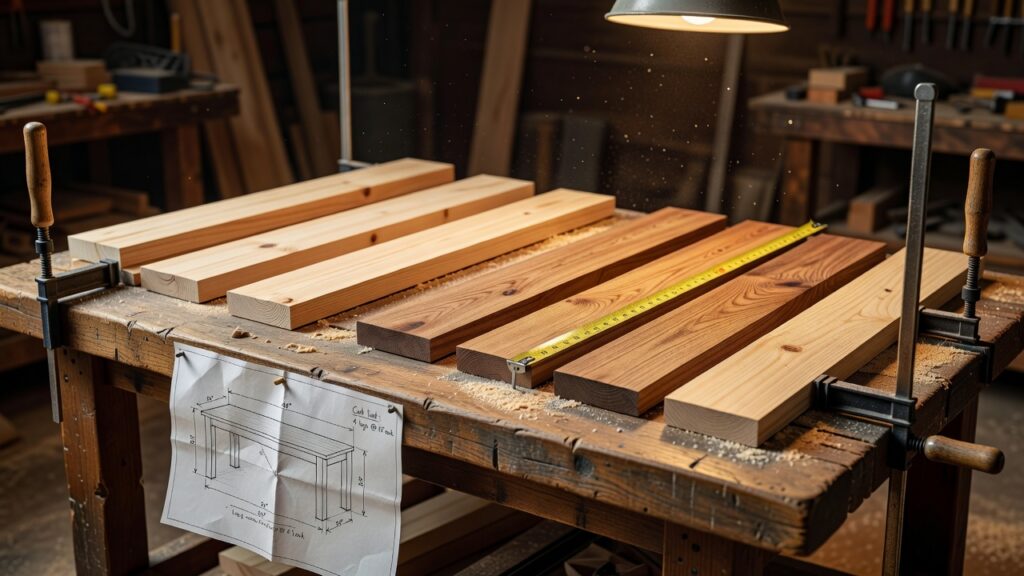
Moreover, calculating board feet accurately prevents costly overbuying or frustrating shortages midway through the build. Sketch your final dimensions first, then add ten percent extra for mistakes and trim cuts. Consequently, you maintain momentum without repeated trips to the lumberyard. Seasoned woodworkers also recommend storing materials indoors for several days before cutting so they acclimate to your workshop environment.
Finally, explore reclaimed wood options when budget constraints or sustainability goals influence your diy wooden coffee table plans. Salvaged barn boards or pallet wood can deliver stunning results after proper cleaning and drying. However, always inspect for embedded nails and treat the material against insects before bringing it inside your home. This extra step ensures your finished table remains safe and beautiful for years.
Gathering Tools and Setting Up Your Workspace
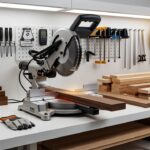
Proper tools transform diy wooden coffee table plans from concept into reality with greater precision and enjoyment. A reliable circular saw or table saw handles most rip cuts, while a miter saw excels at accurate crosscuts for legs and aprons. Clamps in various sizes prove indispensable for holding assemblies square during glue-ups. Therefore, invest in at least four 24-inch F-clamps and two quick-release bar clamps before beginning.
Furthermore, a quality drill and driver combination speeds assembly while pocket-hole jigs create strong, hidden joints suitable for coffee tables. Sanding equipment ranging from 80-grit to 220-grit prepares surfaces for stain or paint. Meanwhile, safety gear including dust masks, hearing protection, and eye shields should never be overlooked during any phase of construction.
Additionally, organize your workspace with good lighting and a sturdy workbench before starting diy wooden coffee table plans build steps. Clear pathways reduce accidents and allow you to move large panels easily. Many hobbyists also mount a Japanese woodworking saw on a nearby wall for quick access during fine trimming operations. You can learn more about selecting the right saw at our Japanese Woodworking Saw guide.
Finally, keep a dedicated measuring tape, combination square, and speed square within arm’s reach. These layout tools ensure every cut aligns with your chosen plans. Consequently, cumulative errors stay minimal and joints fit tightly without excessive filler. A well-prepared station makes the entire process smoother and more professional.
Step-by-Step Assembly Using Proven Instructions
Begin your diy wooden coffee table plans instructions by cutting all components to final size according to your chosen dimensions. Label each piece clearly with chalk so identification remains simple during glue-up. Next, dry-fit the entire frame without fasteners to verify square corners and consistent gaps. This rehearsal catches problems while adjustments remain easy.
Subsequently, apply wood glue sparingly yet thoroughly along all mating surfaces. Pocket screws or dowels then lock the joints permanently. However, work in sections rather than attempting the full assembly at once because clamps can only reach so far. Allow each sub-assembly to cure fully before moving to the next stage.
Moreover, attach the tabletop after the base has completely dried. Many builders prefer floating the top with figure-eight fasteners so seasonal movement occurs freely. This technique prevents cracking when humidity changes throughout the year. You can explore complementary router techniques in our How To Use A Router Table Woodworking article.
Furthermore, install any lower shelf or storage compartment at this stage. These additions increase functionality without complicating the overall aesthetic. Test stability by placing weight on all four corners before final sanding. Only after confirming rock-solid construction should you proceed to finishing.
Budget Optimization Strategies That Actually Work
Smart material choices keep diy wooden coffee table plans budget friendly without sacrificing quality. Purchasing construction-grade lumber instead of premium boards can cut costs by thirty percent while still delivering acceptable results after proper finishing. Likewise, sourcing hardware from online bulk suppliers rather than big-box stores frequently yields significant savings on screws, brackets, and fasteners.
Nevertheless, never compromise on essential safety equipment or quality glue. Cheap adhesives fail over time and force expensive repairs later. Therefore, allocate funds toward reliable brands for consumables while economizing on visible surfaces through creative design. Using thinner stock for aprons while keeping thicker material for the top represents one common strategy.
Additionally, repurpose existing furniture parts when possible. Old dresser drawers can become storage compartments, and leftover trim pieces often serve as decorative accents. Consequently, your project gains character while landfill waste decreases. Many successful builders document these substitutions to inspire others pursuing similar diy wooden coffee table plans free resources online.
Finally, track every expense in a simple spreadsheet throughout the build. This habit reveals where overruns occur and helps refine future projects. Moreover, comparing actual costs against initial estimates improves planning accuracy dramatically over multiple builds.
Customizing Designs to Match Any Room Style
Adapting diy wooden coffee table plans room requirements begins with accurate measurements of available space. Allow at least eighteen inches of clearance around seating areas so people can walk comfortably. Height should align with adjacent sofa cushions, typically sixteen to eighteen inches, for ergonomic use.
Furthermore, consider finish colors that complement existing décor. Light natural tones brighten small rooms, while dark stains create cozy focal points in larger spaces. Staining a test board before committing to the full piece prevents unpleasant surprises. Many woodworkers also apply multiple thin coats rather than one heavy application for smoother results.
Conversely, modern interiors may benefit from sleek metal accents combined with wood. Hairpin legs or steel tubing introduce industrial flair while keeping the piece lightweight. Nevertheless, ensure any metal components receive proper rust protection if the table will sit near windows or in humid climates.
Additionally, incorporate functional features such as hidden compartments or cable management holes when electronics will rest on the surface. These thoughtful touches transform a simple table into a versatile hub for daily living. The end result feels custom-built rather than mass-produced.
Advanced Techniques and Professional Finishing Touches
Once the basic structure stands complete, advanced joinery elevates your diy wooden coffee table plans to heirloom quality. Mortise-and-tenon joints or breadboard ends add visual interest while increasing strength. These methods require patience yet reward the extra effort with superior longevity.
Moreover, applying a durable topcoat protects against spills and daily wear. Polyurethane offers excellent protection yet can appear plastic-like if applied too thickly. Oil-based finishes penetrate deeper and highlight grain more naturally, though they demand more frequent maintenance. Therefore, choose based on your lifestyle and desired appearance.
Furthermore, distressing techniques such as wire brushing or light sanding between coats create an aged patina that suits farmhouse aesthetics. Conversely, flawless high-gloss finishes suit contemporary settings better. Experiment on scrap pieces until you achieve the exact effect envisioned in your original plans.
Finally, document your process with photographs for future reference and to share with the woodworking community. These records help refine techniques and inspire others attempting similar diy wooden coffee table plans tutorial projects. Sharing also builds accountability and often leads to valuable feedback from experienced makers.
Frequently Asked Questions
What is the easiest wood for beginners following diy wooden coffee table plans?
Pine remains the most forgiving choice because it cuts cleanly and accepts stain evenly when properly prepared. Start with kiln-dried boards and practice your cuts on scrap pieces first.
How long does a typical diy wooden coffee table plans project take?
Most builders complete construction over two weekends when working part-time. Allow extra days for glue curing and finishing coats to achieve professional results without rushing.
Can I modify free diy wooden coffee table plans to fit a specific room size?
Absolutely. Scale all dimensions proportionally while maintaining structural integrity. Always verify load-bearing capacity when increasing width or length significantly.
Which finish offers the best protection for a wooden coffee table?
Water-based polyurethane provides excellent durability with low odor and fast drying times. Apply three thin coats with light sanding between each for a smooth, long-lasting surface.