
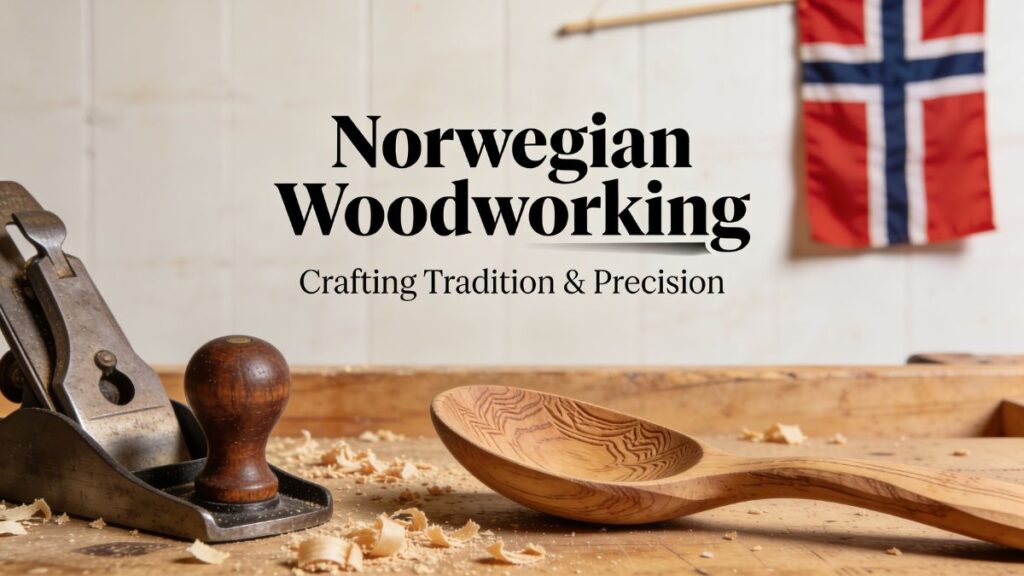

Okay okay so listen na. I gotta tell you guys about this thing that completly changed how I see woodwork. Norwegian woodworking – ever heard of it? No? Same here man, I had zero idea about this until like 8 months back!
So what happend was, I was just scrolling through my phone at night, couldnt sleep you know how it is. And boom! This video came up showing some old guy in Norway making spoon from just one piece of wood. No machines nothing. Just his hands and one knife. I watchd that video like 5 times guys. Not even joking.
How I Even Found Out About This Norwegian Thing
Haha so funny story actually. My cousin bhai came from Canada last Diwali na. He brought me this wooden bowl as gift. I askd him where you got this from? He said some Norwegian craft shop. I was like hmm whats so special about Norway and wood?
Then I started searching and searching. And guys let me tell you – I went down a rabbit hole! These Norwegian people been doing this woodwork stuff for like thousands of years. Thousands! My grandfather did carpentry but this is on whole another level yaar.
The thing about norwegian woodworking that hit me different was – its not about being perfect. Its about feeling the wood, understanding it. Sounds filmy I know but wait let me explain properly.
What Makes Norwegian Woodworking So So Different?
Okay so here in India right, we use lots of power tools nowdays. Everyone wants fast fast fast. But Norwegian craftmens? They take their time man. Like seriously.
I learnd that in old Norway, almost every house was made from wood only. Every furniture, every utensil – all wood. And they didnt have electricity na obviously. So they developd these amazing norwegian woodworking techniques using just hand tools.
The main tool? You wont belive – its axe! Simple axe. They use it for everything from cutting tree to shaping small things. When I first read this I thought its joke. But no its real.
And the knife they use, its called something like “tollekniv” – I probably said it wrong haha. But this carving knife is like their best freind. Every Norwegian woodworker has one good knife always.
My First Attempt – Total Disaster Guys
So after watching so many videos I thought chalo lets try na. How hard can it be?
WRONG. So wrong.
I got piece of mango wood from local market. Sat down with my regular knife – first mistake. Tried to carve spoon shape. Guys after 2 hours my hand was paining so bad and the wood looked like some animal chewed it. Not even kidding!
My wife came and saw it. She askd “kya hai ye?” I said its spoon. She started laughing so hard she had tears in eyes. That was embarassing moment for me honestly.
But you know what? That failure taught me so much about norwegian woodworking. You cant use any random knife. You need proper carving knife with right angle and sharpness. This is very important point please remember.
Tools You Actually Need – From My Experience
Let me share what I learnd about tools. And guys Im telling from my own mistakes so please listen carefully.
Carving Knife: This is number one priority. I orderd one good Swedish knife online – costed me around 2500 rupees. Expensive? Yes. Worth it? 100% yes. The differnce is like day and night.
Small Axe or Hatchet: For rough shaping. I use one that my dad had in garage. Old but works fine after sharpening.
Gouge: This is curved tool for making hollow parts like inside of spoon or bowl. I bought cheap one first – broke in 2 weeks. Then bought better quality. Lesson learnd.
Sharpening Stone: Guys this is something many beginers forget including me. Dull knife is dangerous knife. I cut my thumb once because knife slipped. Not fun at all.
For norwegian woodworking projects, you dont need 50 different tools. Start with just knife and practice practice practice. Thats what I did.
The Wood Selection Confusion
Okay so this part confusd me alot initially. In Norway they use pine, birch, spruce and all. But we in India where to find these?
After lot of research and asking around, I found that we can use local woods too! What matters is understanding the wood grain and moisture content.
I personally tried with:
- Mango wood – easily available, soft enough for beginers
- Sheesham – little hard but beautiful finish
- Neem – good for small projects
For norwegian woodworking furniture they use mostly birch because its strong and looks nice. Here we can use teak or sheesham for similar results. Not exact same but close enough.
One uncle at timber shop told me – always check if wood is dry properly. Wet wood will crack later. I didnt listen first time and my second spoon cracked after one week. Another lesson learnd the hard way!
Simple Projects I Tried as Beginer
Now lets talk about what you can actually make. I know you guys eager to start na. Same I was!
Project 1 – Butter Spreader
This is easiest norwegian woodworking projects for starting. Just flat piece with handle. No hollow carving needed. I made like 5 of these before moving to spoon. Good for building confidence.
Project 2 – Wooden Spoon
After butter spreader, I tried spoon again. This time with proper knife. Took me 3 evenings but result was so much better! My wife actually used it for cooking. Proud moment yaar.
Project 3 – Small Bowl
This one is tricky. The inside part, hollowing it out – very challenging. My first bowl was uneven like anything. But my daughter uses it for keeping her hair clips so atleast someone found use haha.
Project 4 – Coasters
Simple round pieces, sand them smooth, apply oil. Good gift items! I made set for my sister’s birthday. She loved them.
Norwegian Woodworking Techniques I Learnd
So there are some specific norwegian woodworking techniques that makes this craft unique. Let me share what I understnad so far.
Axe Work: They use axe very precisely. Like surgon uses scalpel almost. I watchd videos of Norwegian craftsmen using axe to shape tiny details. Mind blowing stuff.
Green Wood Carving: This means carving fresh wood thats not fully dry. Its actually easier to carve! But you have to let it dry slowly after or it cracks. I learnd this after ruining 2 pieces.
Reading the Grain: This sounds wierd but you have to look at wood carefully before cutting. See which way grain goes. Cut against grain = rough surface. Cut with grain = smooth finish. Took me months to properly understand this concept.
Natural Finish: Norwegians dont use chemical polish and all. They use linseed oil mostly. I tried it on my spoons – gives such warm natural look. And its food safe also which is important for kitchen items.
Why I Think Everyone Should Try This
Look I know what youre thinking. Udit bhai we have machines why do all this manual work?
Valid question. Let me tell you why I still do this even after 8 months.
First thing – its so peaceful guys. After whole day of work and stress, sitting with piece of wood and knife is like meditation for me. No phone notifications, no emails, just me and the wood. My mind becomes calm.
Second – the satisfaction of making something with own hands. When I use spoon that I made myself for eating dal chawal, the feeling is different. Cant explain in words properly.
Third – norwegian woodworking teaches patience. We want everything instant nowdays. But good things take time na. This craft reminded me of that.
Fourth – its sustainable. No electricity needed, no pollution, using natural materials. Good for environment also.
And fifth – once you learn, you can make gifts for everyone! Homemade gifts have different value. My mom still shows the small box I made her to all relatives haha.
Mistakes I Made So You Dont Have To
Okay confession time. I made SO many mistakes in this journey. Let me list some major ones:
Mistake 1: Using kitchen knife for carving. Please dont do this. Kitchen knives are not made for this purpose. I learnd hard way.
Mistake 2: Being impatient. First few projects I rushd and they came out bad. Norwegian woodworking is about slow and steady.
Mistake 3: Not sharpening tools regularly. Sharp tool = clean cut = safe work. Dull tool = slip = injury. I have small scar on thumb to remind me this.
Mistake 4: Choosing wrong wood for wrong project. Tried making thin spoon from hard wood. Broke twice. Match wood type with project requirement.
Mistake 5: Skipping the finish. Left one bowl without oil finish. It absorbed water and got damaged in monsoon. Always finish your projects properly.
Where to Learn More About This
So guys if youre intrested in norwegian woodworking techniques, here are some resources I used:
YouTube has amazing channels. Search for Scandinavian woodworking or Nordic carving. Youll find hours of content. I watch these videos before sleeping sometimes.
There are some good books also but honestly I learnd more from videos. Visual learning works better for craft like this I feel.
Try joining Facebook groups for woodcarving. People share their work, give tips, answer questions. Very helpful community actually.
And most important – just start! Dont wait for perfect conditions or perfect tools. I started with basic knife and random wood piece. You can too.
My Future Plans with Norwegian Woodworking
So whats next for me? I want to try making proper norwegian woodworking furniture piece. Maybe small stool or side table. Its ambitious I know but why not dream big na?
Also want to learn that decorative carving style they do – rosemaling or something its called. Very intricate flower patterns and all. Looks beautiful on wooden items.
Maybe someday I’ll visit Norway also and see real craftsmen working. Thats on my bucket list now haha. Wife says Im too obsessd with this wood thing. Shes probably right.
Final Words From My Side
Okay guys this became quite long post. If you read till here, thank you so much really. Means alot to me.
Norwegian woodworking changed how I think about making things. Its not just hobby anymore, its become part of who I am. Sounds dramatic but its true.
You dont need expensive workshop or fancy tools. Just need curiosity, patience, and willingness to fail and learn. Thats what this craft taught me.
So what you waiting for? Go find piece of wood, get a decent knife, and start your journey. Will it be frustrating sometimes? Yes. Will you make mistakes? Definitely. Will it be worth it? 1000% yes.
If you try any norwegian woodworking projects after reading this, please share with me. Drop comment below or message on our page. I genuinly want to see what you guys create!
Take care and happy carving freinds!
~ Udit Das easydiywood.com
Also check: DIY Composting Toilet: Easy Budget-Friendly Guide for Beginners on our website. And if you want to see traditional Norwegian crafts, Vesterheim Museum has amazing resources.